
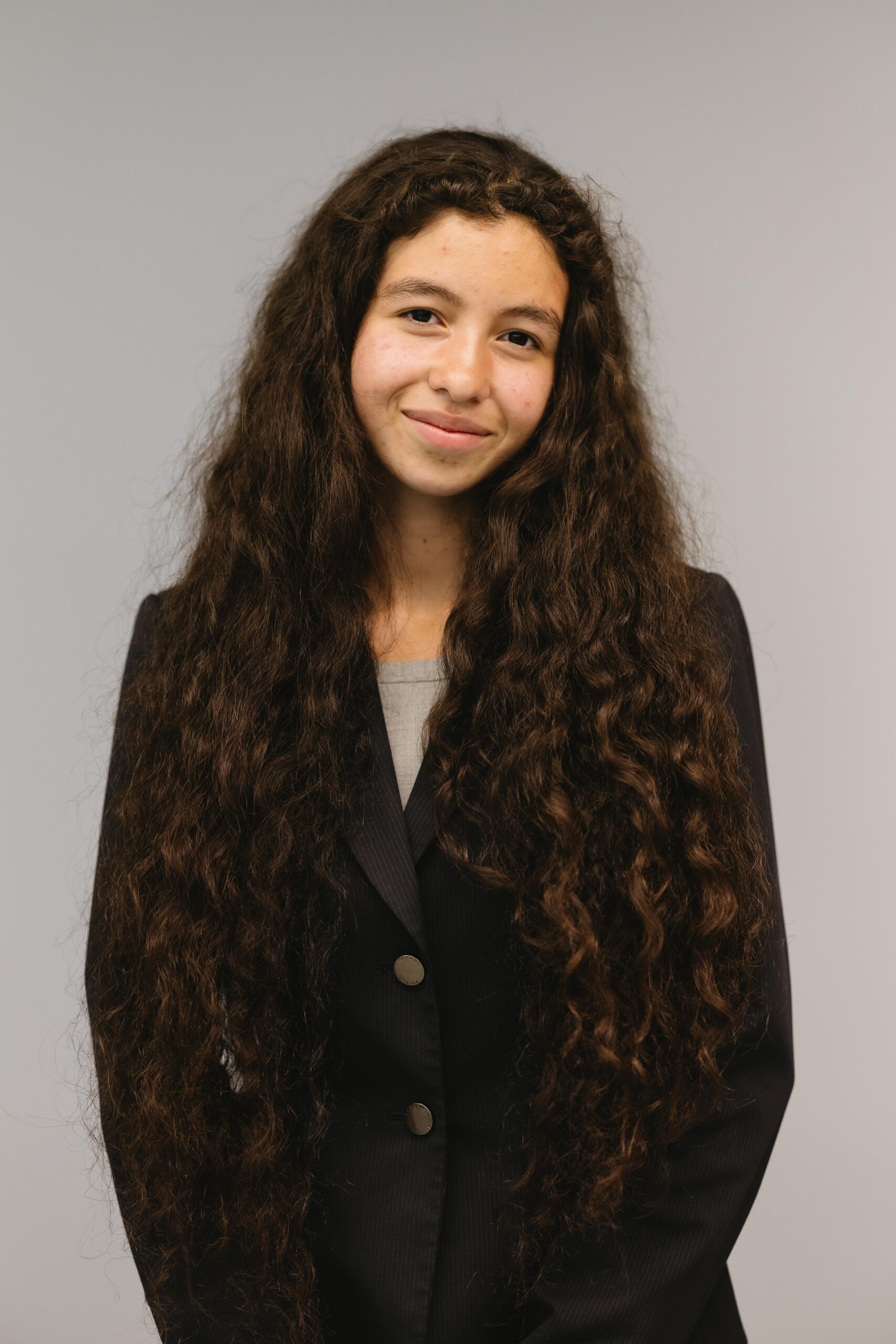
Photo by Neha Balachandran
As an Autistic, multi-disabled person, working in the theater industry can be challenging. It’s not often you see disabled representation in theater, both onstage and off. Growing up, I rarely saw other disabled performers or characters. When I started working in theater, I was often the one person in the room bringing up accessibility. Theater has always felt like both a safe space and an industry with many barriers. However, I have made my way into it with the intention of changing it, as Elphaba and Glinda would say, for good.
How does one change an industry? Well, they usually don’t, at least not alone. It is our actions as community members that help us to shake things up.
When I began my journey in theater, I knew I needed to start somewhere that allowed me to work with other creatives. So I became a Teaching Artist. Teaching Artists are small but powerful catalysts for change. That’s the belief that pulled me into the industry back when I didn’t think I could have a place in it. As a disabled teen, my teachers made a large impact on me and I felt an unshakable desire to have that same impact on others one day. When I was a Teaching Artist, change happened in the moments that nobody else would notice. I would notice a child’s access needs, help them navigate challenges, and help them be confidently creative. The moments I spent empowering the youngest creatives in my community with other educators meant the world to me.
However, I soon discovered that I could have a greater impact than I did as an arts educator by working at an arts education nonprofit instead. I was given the opportunity to intern at Philadelphia Young Playwrights (PYP). There, I did work centered on their education programs and community engagement efforts. The programs I assisted with gave youth free access to theater education that aimed to help them tell their stories. I know how impactful PYP was because I was also a selected playwright for their New Voices Festival for a play I wrote on the Autistic experience and what it is like to be Autistic in theater.
My desire for a more accessible theater industry led me to apply for a Social Media Manager job with the Autistic Theatremakers Alliance (ATA). I have been with ATA for a year now, engaging in collaborative activism on a national scale. Recently, we opened up grant applications for Autistic theatre artists to fund their theatrical goals. Our grants help artists fund projects and access education opportunities. Projects like these bring me joy because I could never empower other Autistic creatives on my own in this way.
While I love having an impact on a larger scale as I do with ATA, some of the work I’m proudest of has been the small projects I’ve done at a local level. As an AAPD Intern in Summer 2025, I made a list of accessibility improvement suggestions for my placement site, Washington Performing Arts. I cannot make an organization’s programs more accessible by myself, but I can help them figure out the tools they need to do so.
My career so far shows this commitment to community. I was recently nominated to be a part of the Kilroys Web – a web of changemakers in the theater industry. It is a web because we don’t create change by ourselves. Through our work, advocacy, and community contributions, we become a part of a long history of small actions that lead to significant changes over time. With PYP, my mentor and I kickstarted an initiative to provide students with access to local theater through ticket donations. As a Student Blogger for Broadway World, I get to offer a unique glimpse into what it is like to build a career in theater as a disabled person. Since I have broken into this industry, I want to work with others to make it more inclusive for others and encourage understanding. Even at the earliest stages of your career, you can help open doors for others by working with others in the spaces you occupy.
All of my experiences working in theater opened my eyes to the importance of making the industry more accessible to young and underrepresented voices. Works that capture the disabled experience make space for awareness, understanding, and acceptance. They can also help people feel seen. The casting of Marissa Bode to play Nessarose in Wicked did that for a lot of disabled people, providing authentic representation for a character always previously played by nondisabled actresses. At the time I wrote my play, I had only seen one show before with Autistic representation – How to Dance in Ohio. For me, disability representation in theater proves we belong in this industry and deserve to be represented accurately. It also fuels my work to advocate for greater access and inclusion.
The theater industry has a long way to go before it is disability-inclusive. However, everyday creatives and activists shaking things up in their communities give me hope it can be. It is a web because we don’t create change by ourselves. Through our work, advocacy, and community contributions, we become a part of a long history of small actions that lead to significant changes over time. I’ve been seeing more representation on stage, behind the scenes, and in the business side of theater. These beautiful voices are the future of American theater and it would be tragic if we did not continue to amplify them. It takes a wave of people to make a difference, so what role will you play?
Brianna Arce (she/her) is a Latina, multi-disabled arts professional, writer, and creative based in Philadelphia, PA. She presently works with the Autistic Theatremakers Alliance (Social Media Manager), Tech Owl (Assistive Technology Champion), and Broadway World (Student Blogger). She was also an AAPD 2025 Summer Intern who worked with Washington Performing Arts.